
Digital Doubles: How Technology Fractures Our Sense of Self
The rise of multiple online selves and the commodification of personal data in the surveillance age

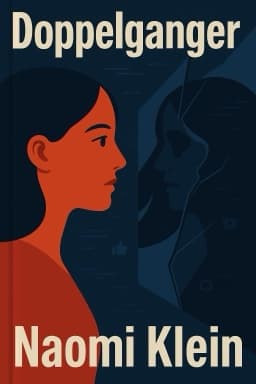
In today’s hyperconnected world, the self is no longer a singular, coherent entity. Instead, it splinters into a multitude of digital doubles—avatars, profiles, curated personas—each tailored to the expectations of different audiences. Naomi Klein’s "Doppelganger" illuminates this phenomenon, revealing the psychological and societal costs of living fragmented lives online.
Personal branding has become a cultural imperative. We are all CEOs of 'Me Inc.,' constantly marketing ourselves to an ever-watchful audience. This requires partitioning the self into performative and private parts, creating tension and often alienation. College students, influencers, and professionals alike navigate this delicate balance, striving to maintain authenticity while meeting audience expectations.
But this fragmentation is not just a personal challenge; it is embedded in the architecture of surveillance capitalism. Our behaviors, preferences, and interactions are relentlessly tracked and commodified. This data-driven economy echoes historical practices of biometric branding used to control bodies and identities, drawing a disturbing line from past to present.
The implications for privacy and autonomy are profound. When our identities become data points, the boundaries between self and commodity blur. This raises urgent questions about who controls our narratives and how we can reclaim agency in a digital landscape designed to exploit our attention and information.
As we consider these fractured identities, we prepare to examine how they intersect with the political polarization shaping our societies today.
Sources: Naomi Klein’s
Want to explore more insights from this book?
Read the full book summary