
Mirror Worlds and Political Polarization: The Battle of Opposing Realities
How opposing political identities create fractured realities and deepen societal divides

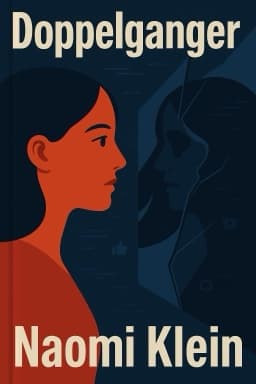
Politics today often resembles a hall of mirrors, where each side sees a distorted reflection of the other. Naomi Klein’s "Doppelganger" describes these fractured realities as 'mirror worlds'—parallel existences where opposing groups define themselves through stark opposition rather than shared values.
This dynamic is fueled by identity politics and the rise of diagonalist movements, which blend elements of far-right ideology, conspiracy theories, and wellness culture. These coalitions defy traditional left-right distinctions, creating fluid and sometimes contradictory alliances that reshape political landscapes globally.
Individuals within these polarized groups often define themselves not by what they stand for but by what they oppose. This yin-yang dynamic hardens divisions, erodes dialogue, and fosters mistrust. The pandemic amplified these conflicts, turning public health measures into symbols of freedom or oppression depending on one’s political identity.
Understanding mirror worlds is essential for anyone seeking to bridge divides and restore democratic discourse. It requires recognizing the deep psychological need for belonging and identity that drives polarization, as well as the structural forces that amplify it.
Next, we explore how personal branding intensifies these identity fractures and shapes social performance.
Sources: Naomi Klein’s
Want to explore more insights from this book?
Read the full book summary