
Pandemic Panic and the Viral Spread of Misinformation: A Perfect Storm
How fear and uncertainty during Covid-19 fueled a misinformation epidemic with real-world consequences

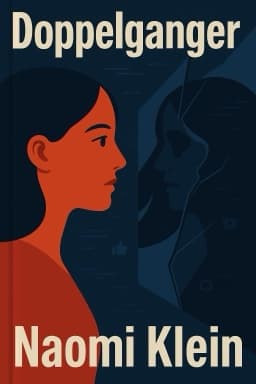
When the world was gripped by the Covid-19 pandemic, an invisible shadow spread alongside the virus—the shadow of misinformation. Fear, uncertainty, and a desperate need for control created a perfect storm where falsehoods could thrive. Naomi Klein’s "Doppelganger" offers a compelling exploration of this phenomenon, revealing how misinformation became a parallel contagion with profound social consequences.
One of the most pernicious myths to emerge was the idea of vaccine 'shedding,' the false claim that vaccinated individuals could transmit harmful particles to others. Despite being scientifically baseless, this myth resonated deeply within anxious communities. A fitness influencer’s tearful testimony about bleeding after exposure to vaccinated people became a viral sensation, illustrating how personal fears can morph into public crises.
This misinformation led to real-world repercussions, such as some schools banning vaccinated teachers, policies driven not by evidence but by fear stoked online. The pandemic also exposed how social media algorithms amplify sensational content, often prioritizing engagement over truth, allowing conspiracy theories to spread rapidly.
Psychologically, fear impairs our ability to scrutinize information critically. Studies show that anxiety lowers the threshold for believing and sharing sensational claims. This explains why misinformation flourished during the pandemic, as people sought simple answers to complex problems.
Moreover, certain influential figures, once relegated to the fringes, gained massive platforms during this time. Their promotion of conspiracy theories and false claims shaped public discourse and deepened societal divides.
Understanding these dynamics is essential to combating misinformation in future crises. It requires addressing the emotional drivers of fear and rebuilding trust in institutions and each other.
Next, we turn to the digital realm itself, where our identities multiply and surveillance shapes the reality we inhabit.
Sources: Naomi Klein’s
Want to explore more insights from this book?
Read the full book summary