
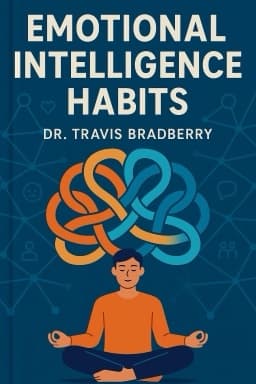
Why Emotional Intelligence Will Define Your Success in 2025 (And How to Master It Today)
Unlock the transformative power of emotional intelligence to thrive in today’s fast-paced world.

Understanding the New Currency of Success
In an era defined by rapid change, automation, and global connectivity, traditional measures of intelligence are no longer sufficient. Emotional intelligence, the ability to perceive, understand, and manage emotions in oneself and others, has emerged as the most vital skill for thriving personally and professionally.
The Science Behind Emotional Intelligence
Emotional intelligence arises from the interplay between the limbic system and the prefrontal cortex. The limbic system generates emotions, while the prefrontal cortex regulates them, allowing us to respond thoughtfully rather than react impulsively. This neurological dance explains why emotions often precede logic and why managing them is crucial for sound judgment.
One dramatic example is the story of a man who survived a severe brain injury that damaged his prefrontal cortex, resulting in a profound loss of emotional control and personality changes. This case underscores how essential brain regions are for emotional regulation.
Building Self-Awareness and Self-Management
Self-awareness is the cornerstone of emotional intelligence. It involves recognizing your emotions as they arise and understanding their triggers. Unfortunately, research shows only about 36% of people can accurately identify their emotions in real-time, limiting their ability to manage reactions effectively.
Developing this skill enables you to pause before reacting, choose constructive responses, and build resilience. Habits like mindfulness meditation, journaling, and deep reflection strengthen the neural pathways responsible for self-regulation, making emotional mastery more automatic.
The Power of Empathy and Social Awareness
Emotional intelligence extends beyond the self to include understanding others' feelings and perspectives. The social brain, our default mode, drives empathy and connection. Active listening and reading nonverbal cues like body language and tone are essential for accurate social awareness.
Empathy is the bridge that fosters trust and collaboration, transforming superficial interactions into meaningful relationships. Cultivating this skill requires silencing internal distractions and fully engaging with others.
Managing Relationships and Navigating Toxicity
Strong relationships are built on communication, trust, and boundary-setting. Emotional intelligence equips you to handle conflict constructively and protect your well-being from toxic influences. Physical touch releases oxytocin, enhancing bonding, while clear boundaries shield you from emotional drainers.
Recognizing toxic behaviors such as manipulation and guilt-tripping allows you to respond with calm detachment and maintain emotional autonomy.
Habits for Happiness and Resilience
Gratitude practice lowers stress hormones and boosts mood, while positive thinking protects brain health. Mindfulness meditation enhances focus and reduces anxiety, creating a resilient emotional foundation. These simple habits, practiced daily, compound into profound well-being.
Building Confidence and Mental Strength
True confidence stems from self-awareness and embracing challenges. Mental strength grows through persistence and learning from setbacks. Assertive communication balances confidence with respect, enhancing relationships and self-esteem.
Sharpening Decision-Making by Overcoming Bias
Cognitive biases distort judgment, often fueled by emotions. Emotional intelligence helps regulate feelings and encourages reflective thinking, reducing impulsive decisions and improving outcomes.
Leading with Emotional Intelligence at Work
High EQ leaders inspire trust, manage stress, and foster collaboration, driving organizational success. Mindfulness and emotional regulation sustain peak performance in demanding environments.
Your Lifelong Journey of Emotional Growth
Emotional intelligence is a lifelong journey supported by brain plasticity. Small, consistent habits lead to lasting transformation. Embracing challenges and feedback fuels continuous growth, empowering you to live with wisdom and grace.
By integrating these insights and practices, 2025 can be the year you unlock the full power of your emotional intelligence and transform your life.
Sources: The Metiss Group 2025 EQ Trends, TalentSmart EQ Report 2025, Dr. Selhub’s EQ Research 2025, Octanner Global Culture Report 2025.
Want to explore more insights from this book?
Read the full book summary