
How the Sackler Family’s Marketing Genius Fueled America’s Deadliest Epidemic
The Untold Story of Pharmaceutical Advertising That Changed Medicine Forever

Arthur Sackler was not just a pharmaceutical executive; he was a visionary who revolutionized how drugs were marketed. His pioneering strategies shifted the pharmaceutical industry from passive product distribution to aggressive, targeted advertising campaigns aimed directly at physicians, the gatekeepers of prescription drugs.
His introduction of teaser campaigns, where ads hinted at new drugs before launch, created buzz and anticipation unprecedented in medicine. This approach borrowed heavily from consumer advertising, transforming the pharmaceutical landscape. Arthur’s emphasis on scientific endorsements and framing advertising as medical education helped legitimize these tactics, blurring lines between information and promotion.
These innovations were first tested with drugs like Terramycin and later perfected with tranquilizers Librium and Valium. The marketing campaigns heavily targeted women, portraying them as stressed and neurotic, normalizing tranquilizer use and expanding the market dramatically. However, early addiction warnings were often ignored or downplayed.
The marketing model reached new extremes with the launch of OxyContin. Purdue Pharma expanded its sales force dramatically, employing thousands of representatives to aggressively promote the opioid to high-prescribing doctors. Strategic patent extensions delayed generic competition, maximizing profits. Internal documents revealed a dissonance between public claims of safety and internal knowledge of addiction risks.
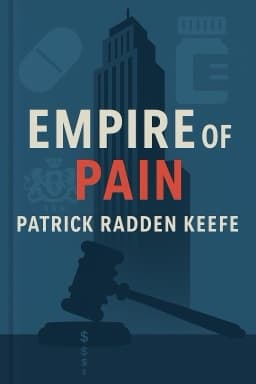
This blog draws on "Empire of Pain" and expert analyses to highlight how marketing genius, when unchecked by ethics, can have devastating consequences. The story serves as a cautionary tale about the power of advertising and the responsibilities that come with it.
Understanding this history is crucial for policymakers, healthcare providers, and the public as they navigate ongoing challenges in drug regulation and public health.
Sources: NPR’s coverage of the Sackler marketing revolution, The New York Times review of
Want to explore more insights from this book?
Read the full book summary