
Europe’s Identity Crisis in the G-Zero World: Can the EU Regain Its Global Voice?
Exploring Europe's internal divisions and their impact on its ability to lead in a fractured world

The Eurozone Debt Crisis and Economic Divides
The Eurozone crisis exposed deep economic divides, with Germany’s financial support of peripheral countries coming at the cost of political tension and resentment. Austerity measures imposed on struggling economies fueled social unrest and skepticism toward the European project.
Migration Pressures and the Schengen Challenge
The free movement of people under the Schengen Agreement is under threat due to large influxes of refugees. Some countries have reinstated border controls, stirring debates about national sovereignty and security.
Political and Social Fragmentation
Populist parties have gained ground by capitalizing on economic grievances and cultural anxieties. Divergent national interests and debates over fiscal versus monetary policy complicate EU decision-making.
Conclusion: Europe’s Path Forward
Europe’s future influence depends on reconciling internal divisions and reaffirming its commitment to cooperation. The challenges are formidable, but the continent’s economic and diplomatic assets provide a foundation for renewed leadership if it can navigate these turbulent times.
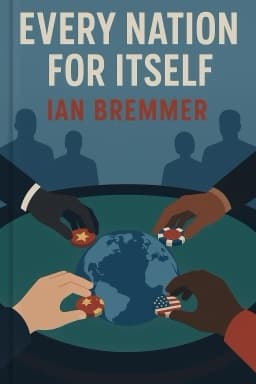
Sources: Amazon reviews and analysis of 'Every Nation for Itself' 1 , 2 ; SAIS Review 3 ; Goodreads overview 4
Want to explore more insights from this book?
Read the full book summary