
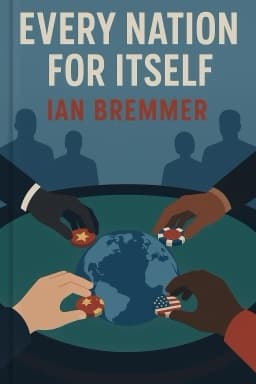
Is America Still the World’s Leader? Inside the G-Zero Era’s Biggest Question
Examining America’s evolving role in a fractured global order and what it means for the future

The Fiscal and Political Constraints on U.S. Leadership
America’s global leadership is increasingly challenged by domestic economic realities. Federal debt is soaring, with projections showing that servicing this debt could soon surpass defense spending. Entitlement programs consume a growing share of the budget, leaving fewer resources for international engagement.
Shifting Public Opinion and Its Impact
Public sentiment has shifted towards isolationism, driven by economic anxieties and fatigue from prolonged conflicts abroad. Many Americans now prioritize domestic issues over international leadership, influencing electoral politics and foreign policy debates.
America’s Military and Strategic Adaptation
Despite constraints, the U.S. maintains unmatched military spending—more than the next seventeen countries combined. However, future leadership depends on strategic adaptation, including selective engagement, strengthening alliances, and innovating diplomacy.
Conclusion: Navigating Leadership in a G-Zero World
America’s role in the G-Zero era is complex and evolving. Success requires embracing new strategies that account for domestic constraints and global realities. The path forward is neither dominance nor withdrawal but a nuanced approach to leadership in a fragmented world.
Sources: Amazon reviews and analysis of 'Every Nation for Itself' 1 , 2 ; SAIS Review 3 ; Goodreads overview 4
Want to explore more insights from this book?
Read the full book summary