
How Rest Can Save Your Life: The Science of Laziness and Recovery
Why your urge to do nothing is not a flaw—and how understanding rest can transform your health.

Why your urge to do nothing is not a flaw—and how understanding rest can transform your health.
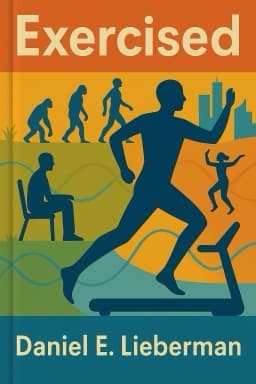
In a world that idolizes hustle and productivity, the urge to rest is often met with guilt or shame. But what if rest is not just permissible, but essential? Daniel Lieberman’s Exercised reveals that our desire to conserve energy is a finely tuned evolutionary adaptation. Our ancestors survived by balancing bursts of activity with long periods of rest, and this pattern is echoed across the animal kingdom.
The Evolution of Laziness
From an evolutionary perspective, energy is precious. Our bodies are designed to avoid unnecessary exertion, saving strength for moments of need—like hunting, escaping predators, or caring for children. This instinct is not laziness, but wisdom. Lieberman’s research shows that hunter-gatherers spend much of their day sitting, chatting, or doing light chores, just as chimpanzees and gorillas do in the wild.
The Hidden Work of Rest
Even when you’re sitting still, your body is busy. Resting metabolism powers your brain, heart, and every cell, consuming most of your daily energy. Rest allows for repair, growth, and cognitive renewal. Studies show that people who embrace regular rest are less likely to burn out and more likely to maintain long-term health.
Rest and Modern Life
Modern routines often disrupt our natural balance of activity and rest. Long work hours, constant connectivity, and social pressure push us to ignore our body’s signals. Lieberman urges us to listen to our instincts, respect our need for downtime, and build rest into our schedules.
Practical Ways to Rest Well
Rest doesn’t have to mean doing nothing. Light chores, leisurely walks, and social downtime all count. The key is to alternate periods of effort with periods of recovery. Mindful rest—without screens or distractions—can be especially restorative.
Conclusion: Embrace Your Instincts
Rest is not a sign of weakness, but a superpower. By honoring your need for downtime, you support your body’s deepest processes and set the stage for vitality and resilience. Let go of guilt, embrace rest, and discover a new path to health and happiness.
References: Blinkist summary, WiseWords blog, The Guardian review, Goodreads community
1
2
4
3
Want to explore more insights from this book?
Read the full book summary