
The Surprising Science of Sitting: Are We Really 'Sitting Ourselves to Death'?
Debunking the biggest myths about sitting, rest, and sedentary living—what the science and anthropology really say.

Debunking the biggest myths about sitting, rest, and sedentary living—what the science and anthropology really say.
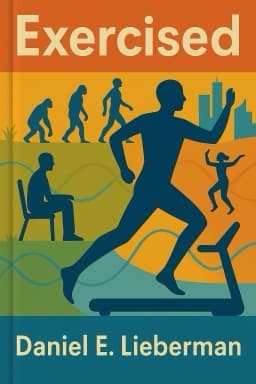
'Sitting is the new smoking.' It’s a phrase that’s dominated headlines, sparked anxiety, and led to a boom in standing desks and wearable tech. But is it really true? Daniel Lieberman’s Exercised offers a much-needed reality check, drawing on anthropology, physiology, and cross-cultural research to reveal that sitting is a natural, even necessary, part of human life. The key, as Lieberman explains, is not to demonize sitting, but to understand how our bodies evolved to balance rest and movement.
Sitting Through the Ages
Contrary to popular belief, our ancestors were not on their feet all day. Hunter-gatherers and traditional societies spend hours each day sitting—often squatting, kneeling, or sitting cross-legged on the ground. These postures engage muscles and promote flexibility. Modern chairs, especially with backrests, are a recent luxury, making sitting more passive and less physically engaging.
The Real Risks of Sitting
The danger isn’t sitting per se, but sitting for long, uninterrupted stretches. Our bodies are designed for regular shifts between movement and rest. Studies show that breaking up sitting with short walks or stretches can counteract many of the negative effects associated with sedentary lifestyles. Lieberman points out that even highly active hunter-gatherers rest frequently, but their rest is balanced by bursts of activity.
Active vs. Passive Sitting
Active sitting—on the ground, squatting, or without a backrest—engages core muscles and helps maintain strength. Passive sitting, in soft chairs or recliners, leads to muscle weakening and poor posture over time. The solution isn’t to avoid sitting, but to vary your postures and include regular movement breaks.
Rest Is Not the Enemy
Rest is essential for recovery, growth, and energy conservation. Lieberman’s research shows that our resting metabolism—fueling the brain, heart, and organs—uses the majority of our daily energy. Feeling the urge to rest is not laziness, but an adaptive behavior honed by evolution.
Practical Strategies for Healthy Sitting
Instead of fearing sitting, focus on balance: alternate between sitting and moving, choose active sitting when possible, and make movement a natural part of your day. Stand up during phone calls, take the stairs, or stretch while watching TV. Guilt-free sitting, paired with mindful movement, supports both physical and mental health.
Conclusion: Sit, Move, Rest—Repeat
The science is clear: sitting is not inherently harmful, but variety and balance are key. Embrace rest as a vital part of life, and find ways to keep your body engaged throughout the day. By understanding the real story behind sitting, you can let go of guilt and build habits that fit your lifestyle and support your well-being.
References: Blinkist summary, WiseWords blog, The Guardian review, Goodreads community
1
2
4
3
Want to explore more insights from this book?
Read the full book summary