
Why Exercise Feels Like a Chore: The Evolutionary Truth No One Told You
Discover why your brain resists the gym and how evolution explains our modern struggle with movement.

Discover why your brain resists the gym and how evolution explains our modern struggle with movement.
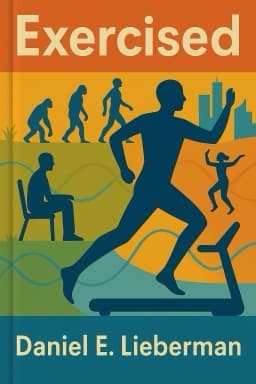
Why do so many of us dread the thought of exercise, even as we’re bombarded with messages about its importance? The answer, according to Daniel Lieberman’s groundbreaking book Exercised, lies deep in our evolutionary history. Our ancestors didn’t jog for fun or lift weights for aesthetics—they moved because their survival depended on it. Movement was a byproduct of life, not a separate activity. This blog explores how understanding our evolutionary past can help us reframe our relationship with exercise, making it less of a chore and more of a joy.
Our Ancestors’ Daily Grind
Imagine life on the African savannah: every day was filled with walking, foraging, carrying, and the occasional sprint to escape danger. There were no gyms, no yoga classes, and certainly no step counters. Physical activity was interwoven with daily tasks. Lieberman points out that the concept of 'exercise' as a planned, repetitive activity is a modern invention. In fact, the word itself only entered common usage in the last few centuries. Our bodies and brains evolved in an environment where conserving energy was crucial. If you expended more energy than you took in, you didn’t survive. This is why, even today, we’re wired to avoid unnecessary effort whenever possible.
The Modern Mismatch
Fast forward to the present, and movement is no longer a necessity for most of us. We drive to work, sit at desks, and relax on couches. The fitness industry, worth billions, has tried to fill this gap by selling us the idea that we must 'make time' for exercise. But our brains still resist. It’s not laziness—it’s biology. Lieberman calls this the 'evolutionary mismatch.' Our instincts haven’t caught up with our sedentary lifestyles, leading to guilt and frustration when we fail to meet modern fitness ideals.
Sitting Isn’t the Enemy
One of the most surprising insights from Exercised is that sitting isn’t inherently bad. Hunter-gatherers sit as much as nine hours a day, but they do so in more active ways—squatting, kneeling, or sitting on the ground, which keeps muscles engaged. The problem isn’t sitting itself, but prolonged, uninterrupted sitting in chairs that encourage slouching. Lieberman suggests breaking up sedentary time with short bursts of movement, rather than obsessing over perfect posture or standing desks.
Rest: An Overlooked Superpower
Rest is not a sign of weakness or laziness. In fact, it’s a vital part of our evolutionary toolkit. Our bodies use rest to repair, grow, and conserve energy for when it’s truly needed. Lieberman highlights that even the most active hunter-gatherers spend large portions of their day resting or doing light chores. The key is balance: alternating activity with periods of rest, just as our ancestors did.
Endurance: Humanity’s Secret Weapon
While we may not be the fastest or strongest creatures, humans excel at endurance. Our ability to cool down by sweating, combined with efficient mechanics, allows us to run or walk long distances—sometimes outlasting even horses in races. This endurance was crucial for persistence hunting and migration. Lieberman argues that embracing varied movement—walking, running, playing, dancing—mirrors our evolutionary strengths and prevents boredom and burnout.
Making Movement Joyful Again
So how do we make exercise stick? The answer isn’t more discipline or expensive gadgets. Lieberman and supporting research suggest that enjoyment and social connection are the strongest predictors of lasting activity. Whether it’s dancing, playing games, or walking with friends, movement should be a source of pleasure and belonging. Small steps—literally—add up. Even brief walks, stretches, or playful moments throughout the day can deliver significant health benefits.
Conclusion: A Compassionate Approach
Understanding the evolutionary roots of our resistance to exercise can free us from guilt and unrealistic expectations. By making movement a natural, joyful part of life—shared with others and chosen for pleasure—we can reclaim our birthright as active, vibrant beings. Exercised offers not just science, but hope: a path to health that honors both our bodies and our humanity.
References: Blinkist summary, WiseWords blog, The Guardian review, Goodreads community 1 2 4 3
Want to explore more insights from this book?
Read the full book summary