
The Secret Sauce of Split-Second Persuasion: What Flipnosis Reveals About Human Influence
Unlocking the Hidden Powers of Instant Influence — and How You Can Use Them Every Day

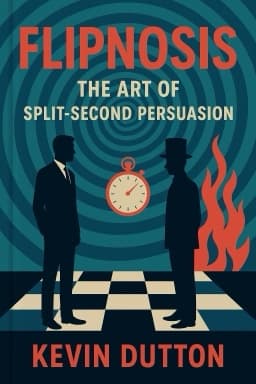
Imagine being able to change someone’s mind in an instant—not through argument or debate, but with a single phrase, a subtle gesture, or a well-timed smile. This is the world of Flipnosis, Kevin Dutton’s exploration of the art and science of split-second persuasion. The book opens with a captivating premise: persuasion is not a rare talent, but a universal force, embedded in the fabric of life itself. From the mating calls of frogs to the cries of newborn babies, Dutton argues that nature has equipped us all with tools of influence long before we utter our first words.
But what makes some people masters of persuasion while others struggle to be heard? Dutton introduces the SPICE model—Simplicity, Perceived self-interest, Incongruity, Confidence, and Empathy. Each element is illustrated with vivid examples: a beggar who earns more by being honest about wanting beer, a hostage negotiator who saves lives with calm empathy, and even a con artist who exploits these same principles for darker ends. The book’s central insight is that how you say something is often more important than what you say. Simplicity cuts through mental clutter, perceived self-interest hooks attention, incongruity disarms skepticism, confidence inspires trust, and empathy creates connection.
We are all targets of persuasion—over 400 times a day, according to research—and yet we rarely notice. Advertisers, friends, family, and even strangers on the street use subtle cues to nudge our decisions. Dutton’s stories are both entertaining and unsettling, showing how easily we can be swayed by the right combination of words and signals.
Flipnosis doesn’t shy away from the dark side. The same skills that can heal and inspire can also manipulate and deceive. Dutton profiles both heroes—like mediators and crisis counselors—and villains, such as cult leaders and psychopaths, revealing the ethical tightrope all persuaders walk. The book’s message is clear: persuasion is a tool, and its value depends on how it is used.
For readers hungry for practical advice, Flipnosis offers a roadmap to becoming more persuasive. Practice, feedback, and reflection are key, as is a commitment to ethical influence. Dutton’s tone is optimistic but realistic, reminding us that while natural talent helps, anyone can improve with effort.
In the end, Flipnosis is a call to awareness. By understanding the principles of instant persuasion, we can defend ourselves against manipulation—and use our own influence to build, heal, and inspire.
Conclusion
Whether you want to sell an idea, resolve a conflict, or simply connect more deeply with others, Flipnosis provides both the science and the stories to guide your journey. Use your powers wisely—and remember, every word counts.
Want to explore more insights from this book?
Read the full book summary