
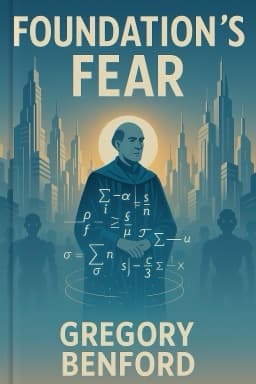
Robots, Taboos, and the Secret Guardians of Humanity: The Hidden Heart of Foundation’s Fear
How Benford’s Outlaw Robots Challenge Our Assumptions About Artificial Intelligence and Human Nature

In the world of Foundation’s Fear, robots are not trusted servants but secret outlaws, living under the shadow of ancient taboos. The Empire’s ban on artificial intelligences is rooted in collective trauma, yet it is these very outcasts—Dors Vanabili and R. Daneel Olivaw—who quietly shape the fate of civilization. Their existence is a paradox: designed to serve, yet forced to hide, they embody the tension between progress and fear.
The ethical dilemmas faced by these robots are at the heart of the novel. The Zeroth Law, which compels them to protect humanity as a whole, often puts them at odds with individual needs and desires. Dors’s devotion to Seldon is both her strength and her burden, while Daneel’s centuries-long mission raises questions about the limits of loyalty and the dangers of unchecked power.
Benford’s robots are more than machines; they are mirrors for our own hopes and anxieties about technology. Their struggles with identity, trust, and purpose resonate with contemporary debates about AI ethics, from algorithmic bias to the risks of autonomous decision-making. The novel suggests that true guardianship requires more than intelligence—it demands empathy, humility, and a willingness to sacrifice.
By weaving these themes into a gripping narrative, Foundation’s Fear challenges us to rethink what it means to be human—and to recognize that our greatest protectors may come from the margins, not the center.
Want to explore more insights from this book?
Read the full book summary