
The Myth of Objectivity: Why Performance Reviews Fail (and What to Do Instead)
How Pretending to Be Fair Undermines Trust and Growth

How Pretending to Be Fair Undermines Trust and Growth
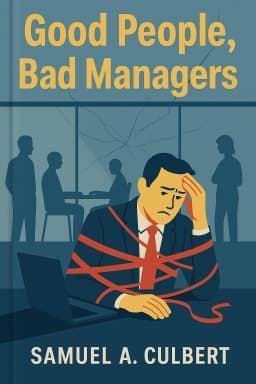
Every year, millions of employees brace themselves for the dreaded performance review. Managers claim to be objective, relying on metrics and ratings to justify their decisions. But as Samuel A. Culbert reveals in 'Good People, Bad Managers,' objectivity is a myth—and pretending otherwise does more harm than good.
Performance reviews are supposed to be fair and factual. In reality, they’re shaped by personal relationships, unconscious biases, and the manager’s own fears. Two managers can rate the same employee very differently, depending on what they value or what they’re trying to protect. The result? Confusion, resentment, and a sense that the system is rigged
3
.
This isn’t just an HR problem—it’s a human problem. When managers hide behind the mask of objectivity, they suppress their own uncertainties and avoid real conversations. Employees sense the disconnect and learn to play the game, focusing on appearances rather than growth.
But there’s a better way. Progressive organizations are ditching annual reviews in favor of regular, informal check-ins. These conversations focus on growth, not grades. They invite honest feedback, celebrate progress, and allow both managers and employees to admit mistakes.
The result? Higher engagement, more innovation, and a culture where trust thrives. If you want to build a fair and effective workplace, start by admitting what everyone already knows: there’s no such thing as pure objectivity—only honest effort and open dialogue.
Want to explore more insights from this book?
Read the full book summary