
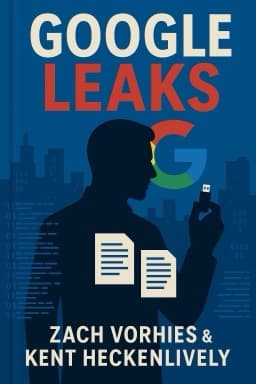
From Don’t Be Evil to Don’t Be Seen: The Culture Shift Inside Google
How Google’s Legendary Openness Became a Fortress of Secrecy

How Google’s Legendary Openness Became a Fortress of Secrecy
Once upon a time, Google was the envy of Silicon Valley—a place where engineers wore propeller hats, ideas flowed freely, and the only rule was “Don’t Be Evil.” Weekly TGIF meetings were a sacred ritual, where anyone could challenge the CEO and debate the future of the internet. But as the company grew into a global powerhouse, something changed. The open culture that had fueled its rise was slowly replaced by secrecy, risk aversion, and ideological conformity.
The turning point came after the 2016 election. Suddenly, the stakes of information control were higher than ever, and leadership responded by tightening internal policies and restricting debate. Dissent became dangerous, and employees who questioned the new direction found themselves isolated or even pushed out. The whistleblower at the heart of this story described a palpable shift: once, he could raise difficult questions in public forums; now, he was warned to keep his concerns to himself.
This culture of secrecy didn’t just affect employees—it shaped the very products that billions rely on every day. As ideological battles played out behind closed doors, new systems for blacklisting, algorithmic suppression, and narrative management were quietly rolled out. The result was not just a loss of transparency, but a narrowing of the range of acceptable thought within the company and, by extension, the world.
Why does this matter? Because the culture of a company like Google doesn’t just stay inside its walls—it spills out into the products, policies, and ultimately, the information ecosystem we all depend on. When openness is replaced by secrecy, the public loses its ability to hold power accountable. The lesson is clear: culture is destiny, and the fight for transparency begins at home.
SEO Keywords: Google culture, tech ethics, corporate transparency, whistleblower stories, tech company values.
Want to explore more insights from this book?
Read the full book summary