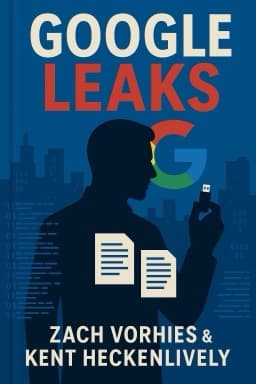
Close your eyes and imagine the birth of a company that would change the world’s relationship with information. In its earliest days, Google was a beacon for the curious, the creative, and the idealistic. The founders and their first hires weren’t just engineers—they were dreamers, united by a single mission: to organize the world’s information and make it universally accessible. Their rallying cry, 'Don’t Be Evil,' wasn’t just a slogan; it was a promise, a moral compass that guided decisions both big and small. In the open-plan offices, you’d find multi-colored beanies with propellers, whiteboards crammed with wild ideas, and laughter echoing off the walls. This culture of transparency and inclusivity was embodied in weekly TGIF meetings, where everyone—from interns to the founders—could ask questions, challenge assumptions, and share their vision for the future.
But as Google’s influence grew, so did its responsibilities and the weight of its choices. The digital world was expanding at a dizzying pace, and Google’s algorithms became the invisible hand shaping what billions of people would see, learn, and believe. The company’s quirky, meritocratic culture began to shift, slowly at first, then dramatically after the political earthquake of 2016. The election sent shockwaves through the tech world, and Google’s leadership responded with a renewed focus on their values—and a new sense of mission. They saw themselves not just as stewards of information, but as guardians against 'misinformation,' determined to protect users from what they saw as digital threats.
This shift was palpable in the TGIF meetings that followed. The mood was somber, the language urgent. Leaders spoke of the need to stand up for what was right, to fight for fairness and inclusion. The 'Don’t Be Evil' motto faded from the walls, replaced by a more pragmatic, sometimes paternalistic, approach to information. Policies were rewritten, teams were restructured, and new systems were put in place to ensure that Google’s products reflected the values of its leadership. The company that once celebrated open debate and diverse viewpoints now found itself grappling with the question: who decides what is true?
As we move forward, let’s explore the journey of one individual who witnessed this transformation from within, and the choices that would lead him to risk everything for the truth. The next section invites you into the world of the whistleblower—a story of conscience, courage, and the personal cost of defiance.