
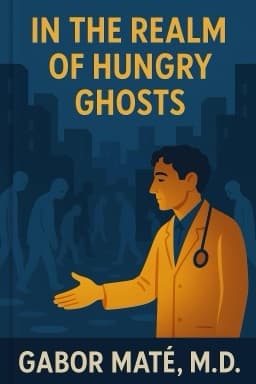
The Hidden Truth About Addiction: What 'In the Realm of Hungry Ghosts' Reveals That Most People Miss
Unlocking the Real Causes of Addiction and the Path to Compassionate Healing

Addiction is one of society’s most misunderstood and stigmatized problems. In 'In the Realm of Hungry Ghosts,' Dr. Gabor Maté invites us to look deeper—beneath the surface symptoms, beyond the headlines and stereotypes. He begins with stories from Vancouver’s Downtown Eastside, where he worked with people living with severe substance use disorders. These are people often dismissed as 'hopeless cases,' but Maté sees them as wounded human beings, each with a story worth hearing.
Maté’s central message is simple but profound: addiction is not about pleasure-seeking, but pain relief. Every person he meets is using substances or behaviors to numb an ache that feels unbearable. This pain, he explains, is almost always rooted in early life experiences—neglect, trauma, loss, or emotional deprivation. Modern neuroscience supports this: the brain’s reward and stress systems are shaped by childhood, and when those years are filled with turmoil or absence, the stage is set for lifelong struggles with self-regulation and craving.
He draws a vivid picture of the 'hungry ghost'—a being from Buddhist mythology with a tiny mouth and a huge, empty belly, forever ravenous but never satisfied. This metaphor captures the essence of addiction: an endless search for comfort that never quite fills the void. Maté’s patients are not just addicted to drugs; some are addicted to shopping, gambling, work, or even relationships. The common thread is the desperate attempt to soothe inner pain.
The book doesn’t stop at individual stories. Maté critiques the way society responds to addiction—with punishment, stigma, and shame. He argues that the 'war on drugs' has been a war on the most traumatized people, driving them further into isolation and despair. Instead, he advocates for harm reduction, compassionate care, and policies that address the root causes of addiction rather than its symptoms.
Maté also shares insights from neuroscience: chronic stress literally changes the brain, shrinking areas responsible for decision-making and impulse control. Some people, due to their early life experiences, are more vulnerable to these changes. This is not a matter of weak willpower, but of survival mechanisms gone awry.
Ultimately, Maté’s vision is one of hope. Recovery is possible, but it requires more than just abstinence—it demands connection, understanding, and the rebuilding of trust. Healing happens in relationships, whether in therapy, family, or community. The journey is long, but every act of compassion is a step toward wholeness.
By the end of the book, and this blog, you’ll understand why Maté’s work has been embraced by both scientists and those in recovery. It’s a call to see addiction not as a crime or a disease, but as a deeply human response to suffering—and to respond with empathy, not judgment.
For anyone who has struggled with addiction, or loves someone who has, this book is a lifeline. It reminds us that healing is possible, for individuals and for society as a whole.
1
2
3
Want to explore more insights from this book?
Read the full book summary