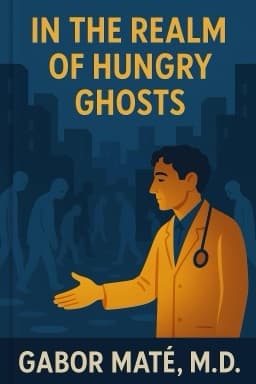
Welcome, dear listener, to a journey through the hidden landscapes of addiction—a journey not of condemnation, but of understanding and hope. Imagine a city street at dusk, where shadows blend with the rain and the faces you pass are etched with longing. Here, addiction is not a crime, nor a shameful secret, but a universal human response to pain. In this first chapter, we gently lift the veil and look beyond the headlines and stereotypes. Addiction, as we learn, wears many faces: the man clutching a bottle in a dark alley, the woman lost in the glow of a slot machine, the executive unable to leave work behind, the teenager scrolling endlessly through social feeds. What unites them is not their substance or behavior, but the ache that drives them—the ache of emptiness, of wounds left untended.
Through the stories of those who have lived on society’s margins, we see that addiction is a form of survival, a desperate attempt to soothe pain that feels unbearable. One woman moves through her day in a dance of agitation, her body telling a story of longing and loss. Another, marked by childhood trauma, finds solace in the numbness that drugs provide. Their stories echo a single refrain: 'I do this so I don’t feel the feelings I feel when I don’t do this.' The author’s lens is gentle, never harsh. He reminds us that addiction is not about seeking pleasure, but about escaping pain. The title’s inspiration, the 'hungry ghosts,' are beings with mouths too small and stomachs too large, forever unsatisfied—a perfect image for the endless craving that haunts so many lives.
But this is not a tale of despair. It is a call to curiosity, to ask not 'What’s wrong with you?' but 'What happened to you?' In reframing addiction as a response to suffering, we are invited to see ourselves in the stories of others, to recognize the universal hunger for comfort and connection. We all have our ghosts, our small cravings and big emptinesses, and only by facing them with compassion can we begin to heal. As we move forward, let us carry this understanding: behind every addiction is a story of pain, and behind every story is a human being worthy of love.
Let us now turn to the ways in which childhood shapes the soil from which these hungry ghosts arise.