
Why Punishment Fails: The Surprising Science of Compassion in Addiction Recovery
How Understanding the Brain Can Transform the Way We Treat Addiction

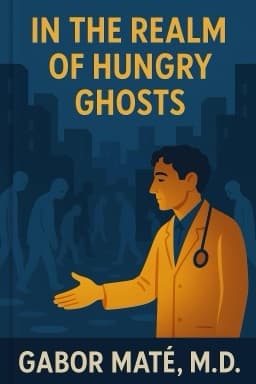
For decades, society has responded to addiction with punishment, shame, and exclusion. But what if everything we thought we knew about addiction was wrong? In 'In the Realm of Hungry Ghosts,' Dr. Gabor Maté uses both science and story to show that addiction is not a choice, but a response to deep pain and altered brain chemistry.
Maté explains that the brain’s reward system, centered on the neurotransmitter dopamine, is shaped by early life experiences. Chronic stress and trauma can blunt the brain’s ability to feel pleasure and regulate impulses, making substances or compulsive behaviors feel like a lifeline. This means that some people are biologically more vulnerable to addiction—not because they are weak, but because their brains are wired for survival in a world that has been dangerous or neglectful.
When society responds with criminalization, it drives people further into hiding and despair. Research shows that stigma increases the risk of overdose, relapse, and even death. In contrast, harm reduction approaches—like supervised injection sites, needle exchanges, and supportive housing—save lives and create opportunities for healing. These programs do not enable addiction; they meet people where they are, offering safety and dignity as the foundation for change.
Neuroscience reveals that healing the addicted brain requires more than willpower. It demands new experiences of safety, connection, and trust. Therapy, group support, and caring relationships can help rewire the brain, slowly restoring the capacity for joy and self-control. Maté’s work is echoed by a growing body of research: compassion is not just morally right, it is scientifically effective.
This blog explores not just the failures of punishment, but the promise of compassion. Through real-life examples and scientific explanation, it makes the case for a new approach to addiction—one grounded in empathy, understanding, and hope.
1
2
4
Want to explore more insights from this book?
Read the full book summary