
Family Values or Political Weapon? The Hypocrisy Behind GOP Morality
How 'Family Values' Became a Tool for Cultural Exclusion and Political Gain

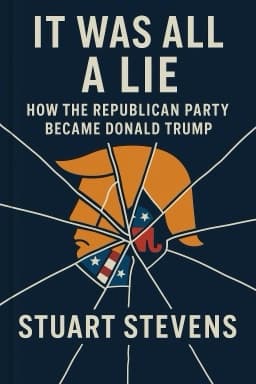
In American politics, 'family values' evoke images of wholesome homes and moral clarity. Yet, as Stuart Stevens exposes, this phrase has often been less about genuine ethics and more about cultural exclusion and political strategy.
Stevens illustrates the paradox faced by many evangelical voters who, despite their moral convictions, support political leaders with personal scandals and contradictory behavior. This contradiction is often reconciled through an emphasis on authenticity and political alignment rather than strict moral adherence.
The Christian right’s emergence as a political powerhouse further complicates this landscape. What began as a religious movement evolved into a political machine prioritizing cultural dominance and power. The commercialization and politicization of faith created a dynamic where religious rhetoric served political ends more than spiritual guidance.
Understanding this weaponization of morality sheds light on the cultural battles that define much of modern American politics. It explains why debates over issues like abortion, education, and marriage often become proxies for deeper conflicts over identity and belonging.
This analysis challenges simplistic narratives and invites readers to consider the complex interplay between religion, culture, and politics. It also highlights the need for honest dialogue about values and integrity in public life.
For anyone seeking to understand the cultural dimensions of political power, Stevens’ insights provide a compelling and thought-provoking perspective.
Sources: National Review, Mother Jones
Want to explore more insights from this book?
Read the full book summary