
Fear, Cowardice, and the GOP: How Political Survival Sacrificed Principles
The Hidden Dynamics That Enabled Divisive Leadership to Flourish

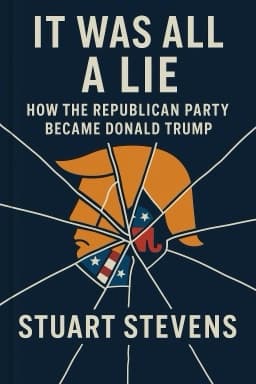
Behind the scenes of political power lies a potent force often overlooked: fear. Stuart Stevens reveals how fear of losing primary elections and pressure from special interest groups compelled many Republican politicians to support divisive leadership despite personal misgivings.
Primary challenges from more extreme candidates created a climate where dissent could be politically fatal. Politicians faced a choice between standing up for their principles or risking their careers. For many, survival won out.
Special interest groups, notably the NRA, exerted enormous influence through fundraising and endorsements. Aligning with these groups often meant toeing the party line, further constraining independence and reinforcing loyalty to controversial leaders.
This culture of fear and opportunism led to silence or outright support for policies and rhetoric that undermined democratic norms. It eroded public trust and weakened the party’s moral standing.
Understanding these dynamics is essential for grasping how political survival can override governance and ethics. It also underscores the need for courageous leadership willing to break free from fear and restore accountability.
Stevens’ insights challenge both politicians and voters to reflect on the costs of fear-driven politics and the possibilities for change.
Sources: National Review, Mother Jones
Want to explore more insights from this book?
Read the full book summary