
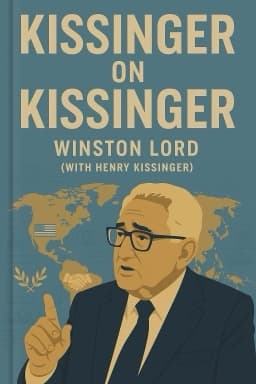
7 Surprising Leadership Secrets from Kissinger’s World Strategy Masterpiece
Discover the untold stories and timeless strategies that shaped global history, straight from Kissinger’s celebrated study.

When you open Henry Kissinger’s Leadership: Six Studies in World Strategy, you step into a world where history’s most daunting crises become classrooms for modern leadership. Drawing on his firsthand experience as a statesman and scholar, Kissinger delves into the lives of six world-changing leaders, each chosen for their unique approach to strategy and crisis. But what truly sets this book apart are the universal lessons—many of them counterintuitive—that emerge from these stories.
1. Vision is a Leader’s Most Potent Weapon
True leaders don’t just react—they imagine. Adenauer rebuilt a shattered Germany by envisioning a democratic future when most saw only ruins. Thatcher’s clarity of purpose turned a stagnant Britain into a global force. Kissinger shows that vision is not about predicting the future, but about creating it, step by step, decision by decision.
2. Character Outranks Charisma
While charisma can win crowds, it is character—the ability to make unpopular decisions, admit mistakes, and stand firm under pressure—that forges lasting impact. Kissinger’s profiles reveal that each leader’s private struggles were as important as their public triumphs. Self-doubt, humility, and even loneliness were not weaknesses, but sources of strength.
3. Grand Strategy Beats Short-Term Tactics
In the high-stakes world of diplomacy, reacting to every crisis is a recipe for exhaustion and failure. Instead, Kissinger’s leaders built grand strategies—a set of guiding principles that kept them focused even when events spun out of control. De Gaulle’s vision for France, Nixon’s opening to China, and Lee Kuan Yew’s transformation of Singapore all reflect this long-game thinking.
4. Negotiation is an Art—And a Science
Kissinger pulls back the curtain on the subtle dance of negotiation. Whether it’s Sadat’s bold peace initiative or the backchannel talks that ended the Cold War, the book shows that understanding your counterpart’s culture, history, and psychology is as important as knowing your own goals. The best negotiators are listeners first, strategists second.
5. Crisis Is Opportunity in Disguise
From the Yom Kippur War to economic collapse, every crisis faced by these leaders became a turning point. Kissinger argues that the ability to remain calm, adapt quickly, and find the hidden opportunity is what separates great leaders from the merely competent. History rewards those who act boldly when others freeze.
6. The Machinery of Policy Matters
Behind every big decision is a system—advisors, processes, and institutions that make strategy possible. Kissinger’s own experience in the White House reveals that robust, adaptable systems outlast any individual leader. The design of meetings, the flow of information, and the trust between team members can make or break a policy.
7. Legacy Is Built in Quiet Moments
Perhaps the most surprising lesson is that leadership is sustained by reflection, mentorship, and self-care. Kissinger describes the late-night journaling, the private conversations, and the moments of doubt that shaped each leader’s legacy. The book closes by urging new generations to learn not just from public victories, but from the inner resilience that carries leaders through the storms of history.
In sum, Kissinger’s work is a treasure trove for anyone who aspires to lead. It reminds us that the world is shaped not by the loudest voices, but by those who combine vision, character, and courage with humility and hope. The next time you face a challenge—big or small—remember these lessons, and know that you, too, can help shape history.
For further reading and a deeper dive into these case studies, check out reviews and expert analyses at International Affairs, The Guardian, and Goodreads.
1
2
4
Want to explore more insights from this book?
Read the full book summary