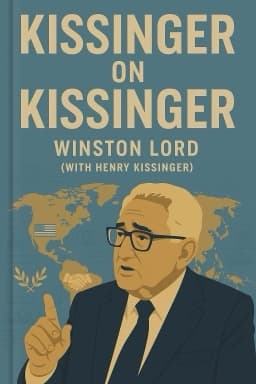
Let me take you to the quiet, candle-lit corridors where history is shaped not by the loudest voices, but by the calm resolve of a single leader, deep in thought. In this first chapter, we encounter the essence of statesmanship—a blend of vision, character, and courage. True leaders, we learn, are not those who chase applause or follow the crowd, but those who can see beyond the immediate fog of crisis and imagine a future worth striving for.
Statesmanship is not about always having the right answer, but about having the right questions. It's the ability to pause, reflect, and chart a course when the world is swirling with uncertainty. When every advisor offers a different opinion, and the facts are incomplete, the leader must step forward, often alone, and make the call.
Consider the moments when the fate of nations hung in the balance—when bold decisions risked everything, and yet, to do nothing would be to let history pass you by. The book reminds us that the choices reaching a president are rarely clear-cut. If they were, someone else would have resolved them long before. Instead, the leader faces 51-49 decisions, where the room for doubt is as large as the stakes themselves.
But what gives a leader the strength to act in these moments? It is not brilliance alone, but character—the moral backbone to do what is right, not just what is easy. Intelligence can be hired, but character must be lived, day after day. Leadership is a lonely road, full of nights spent wrestling with conscience and consequence.
And yet, the greatest leaders are not afraid to admit when they are wrong. They possess the humility to reassess, to change course, and to build trust by showing that growth is possible even at the highest levels. This humility is not weakness, but strength—the quiet confidence that comes from knowing your own limitations.
Through anecdotes of high-stakes diplomacy, we see how these qualities were tested. In one example, a major policy reversal was considered not as a sign of failure, but as the ultimate act of responsibility. To admit error and seek a better path is the hallmark of true leadership.
As we reflect on these lessons, let us remember that the world is not changed by those who wait for certainty, but by those who act with courage and conviction, even when the outcome is unclear.
Now, let’s move from the qualities of the leader to the vision that guides them, and explore how grand strategy shapes the destinies of nations.