
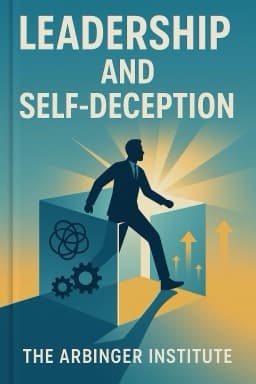
Out of the Box: The Surprising Science of Empathy and Results
How seeing people as people unlocks trust, creativity, and success.
How seeing people as people unlocks trust, creativity, and success
For decades, leadership advice focused on strategy, execution, and motivation. But new science—and the wisdom of 'Leadership and Self-Deception'—shows that the real secret to extraordinary results is empathy. When leaders and teams see each other as people, not objects, everything changes. Neuroscience reveals that self-deception is a natural defense mechanism: our brains create stories to protect our self-image, especially when we feel threatened or uncertain. Unfortunately, these stories also block empathy, cloud judgment, and stifle creative problem-solving.
Research shows that teams with high psychological safety—where people feel seen and heard—outperform their peers in innovation, retention, and results. Empathy isn’t just nice; it’s necessary. The book’s stories illustrate how small shifts—learning names, listening deeply, acknowledging mistakes—rewire our brains for connection and trust. Over time, these habits create a feedback loop: empathy leads to trust, which leads to better collaboration and results, which reinforce empathy.
Practical takeaways? Start meetings with personal check-ins. Encourage open feedback. Celebrate vulnerability and learning from mistakes. These small rituals prime the brain for openness and growth. As you practice seeing people as people, you’ll notice a shift—not just in results, but in the energy and joy of your team. 1 3
Empathy is both science and art. It’s the daily choice to step out of the box, to see, listen, and care. It’s the foundation for lasting success—in leadership, in teams, and in life.
Want to explore more insights from this book?
Read the full book summary