
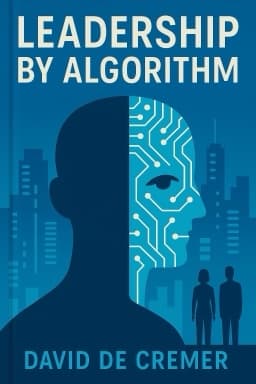
Is Your Next Boss a Robot? The Surprising Truth About AI and Leadership
How algorithms are reshaping leadership roles and what it means for your career

Imagine walking into a boardroom where your next boss isn't a person but an algorithm. This scenario is no longer science fiction. Across industries, AI systems are increasingly integrated into leadership functions, from strategic decision-making to employee management.
Historically, leadership was the exclusive domain of humans, relying on experience, intuition, and emotional intelligence. However, as AI matures, it is taking on tasks traditionally reserved for leaders, such as evaluating employee performance, optimizing workflows, and even guiding corporate governance. This shift raises profound questions about trust, control, and the essence of leadership itself.
Interestingly, research reveals a complex relationship between humans and algorithmic authority. On one hand, people often trust algorithms more than humans for decisions perceived as impartial, such as loan approvals or performance evaluations. This trust stems from the belief that algorithms are unbiased and consistent. On the other hand, when algorithms make mistakes, people tend to lose trust faster than they do in human judgment, a phenomenon known as 'algorithm aversion.' This emotional response highlights the importance of human qualities—empathy, accountability, and ethical reasoning—in leadership roles that algorithms cannot replicate.
Organizations that successfully integrate AI into leadership recognize this balance. They delegate routine, data-heavy tasks to algorithms while reserving strategic vision, ethical oversight, and interpersonal connections for human leaders. This hybrid approach leverages the strengths of both, creating more agile and responsive organizations.
For individuals, understanding this evolving landscape is crucial. Developing skills that complement AI—such as emotional intelligence, ethical judgment, and creative problem-solving—will be key to thriving alongside algorithmic leaders. Embracing lifelong learning and adaptability will empower you to navigate the future of work confidently.
As we explore further, we'll see how management itself is being transformed by AI, and why human intuition remains indispensable even in an automated world.
Want to explore more insights from this book?
Read the full book summary