
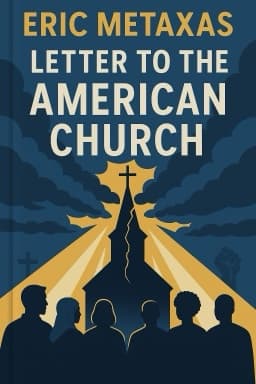
The Silent Church: How Fear and Legal Barriers Are Killing Faith’s Public Voice
Unmasking the legal and cultural chains that silence the Church and how to break free.

In America, the Church’s public voice has been muted by a combination of legal restrictions and cultural fears. The Johnson Amendment, passed in 1954, prohibits churches from endorsing political candidates if they wish to retain tax-exempt status. While intended to maintain separation, it has often been used to silence pastors and congregations from speaking prophetically on critical issues.
Many churches have internalized this silence, fearing backlash or accusations of partisanship. This fear is compounded by a cultural climate that equates faith with private belief rather than public witness. Yet, the Founders designed religious liberty to protect the free exercise of faith in all spheres of life, including politics and culture.
Misinterpretations of Romans 13 have further encouraged passivity, suggesting that Christians must submit quietly to all authorities. However, scripture also calls the Church to hold governments accountable and speak truth boldly. The Church is not a political pawn but a moral compass, called to advocate for justice, defend religious freedom, and protect the vulnerable.
Breaking free from silence requires courage, clarity, and a deep understanding of legal boundaries. Churches can engage in issue advocacy, educate voters, and mobilize communities without violating laws. Historical figures like William Wilberforce show that faith-driven political activism can bring profound social change.
This blog encourages believers to reclaim their public voice, balancing prophetic boldness with loving witness. The future of faith and freedom depends on the Church’s willingness to stand firm and speak out.
Sources: Analysis of the Johnson Amendment, Founders’ writings on religious liberty, biblical teachings on government and justice. 2 4
Want to explore more insights from this book?
Read the full book summary