
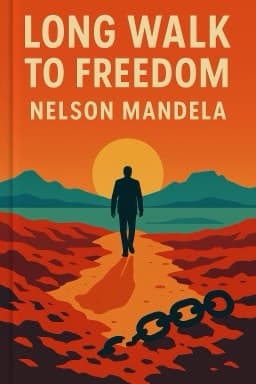
From Prisoner to President: The Untold Story of Nelson Mandela’s Inner Strength and Reconciliation
Uncover the remarkable resilience and visionary leadership Mandela demonstrated during and after his long imprisonment.

For 27 years, Nelson Mandela was confined to a small cell on Robben Island, a place designed to break the spirit of those who dared to challenge apartheid. But rather than surrender, Mandela used this time to cultivate inner strength and a vision of a united South Africa.
Life in prison was harsh and dehumanizing, yet Mandela emerged as a leader among his fellow inmates. He organized educational programs, maintained morale, and fostered a sense of community in the bleakest of circumstances. This microcosm of resistance became a training ground for leadership and resilience.
Most remarkable was Mandela’s philosophy of reconciliation. Despite the brutality he endured, he chose forgiveness over hatred, understanding that the future of South Africa depended on healing rather than vengeance. This approach laid the foundation for the Truth and Reconciliation Commission, a groundbreaking initiative that sought to address past abuses through dialogue and understanding.
Mandela’s release from prison marked the beginning of a new era, but the challenges were immense. His leadership during the transition was characterized by patience, humility, and a steadfast commitment to justice and unity. The legacy of his imprisonment was not one of bitterness but of hope—a testament to the transformative power of the human spirit.
This blog draws on extensive biographies, historical accounts, and leadership studies to reveal the depth of Mandela’s character and the enduring lessons of his life. His story is a beacon for all who face adversity and seek to build a better world.
Sources: LitCharts study guide, Theaoi.com biography, Amazon leadership insights 2 1 3
Want to explore more insights from this book?
Read the full book summary