
Madness Unveiled: How Society’s Fear Created the Modern Psychiatric System
The Untold Story of Madness, Power, and Knowledge

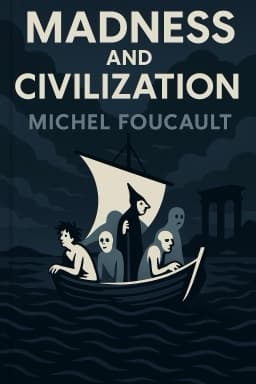
Madness has never been just a medical issue; it has always been deeply political. Michel Foucault’s Madness and Civilization exposes how the classification and treatment of madness are entwined with power and social control.
Historically, legal systems played a pivotal role in managing madness. Instruments like the lettres de cachet allowed authorities to imprison individuals without trial, reflecting society’s fear of madness as a threat to order. The law enforced exclusion and confinement, legitimizing institutional power and reinforcing social hierarchies.
At the same time, the rise of the asylum brought about the medicalization of madness. The mad became subjects of observation, classification, and treatment. Yet this medical gaze was never neutral; it was embedded in the broader social and political context.
This nexus of power and knowledge raises critical questions about the ethics of psychiatric authority and the rights of those labeled mad. It challenges us to recognize madness as a social construct influenced by cultural norms, fears, and power dynamics rather than solely a biological condition.
Understanding madness in this light opens pathways to more ethical and inclusive mental health practices. It highlights the importance of questioning who defines madness and for what purposes, and it calls for vigilance against abuses of power within psychiatric systems.
Madness, then, is not simply a personal affliction but a mirror reflecting societal values, fears, and struggles for control.
Sources: SparkNotes summary, SuperSummary analysis, Wikipedia entry on Madness and Civilization 1 3 4
Want to explore more insights from this book?
Read the full book summary