
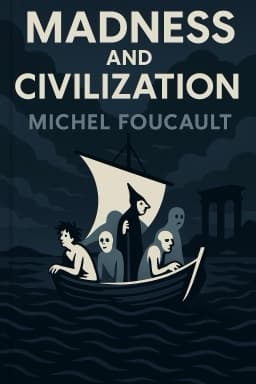
Why Madness Still Haunts Us: The Legacy of Exclusion and the Hope for Inclusion
From Historical Stigma to Modern Compassion

Madness is not just a medical or psychological condition; it is a social and cultural phenomenon with a long history of exclusion and stigma. Michel Foucault’s Madness and Civilization reveals how these legacies continue to shape our attitudes and practices today.
Historical practices of exile, confinement, and spectacle created deep scars in how society perceives madness. These practices were rooted in fear — fear of disorder, difference, and the unknown. Such fear justified harsh treatments and social rejection, embedding stigma that persists.
However, growing awareness of this history fosters empathy and challenges entrenched prejudices. Recognizing madness as part of human diversity rather than mere pathology opens doors to inclusion and respect. Modern mental health movements increasingly emphasize dignity, rights, and personalized care.
Art, literature, and advocacy play vital roles in this transformation, giving voice to those once silenced and celebrating the creativity and resilience found within madness.
The future of mental health care lies in compassion, inclusion, and justice — values that arise from confronting the past and embracing the full spectrum of human experience.
Sources: SparkNotes summary, SuperSummary analysis, Wikipedia entry on Madness and Civilization 1 2 4
Want to explore more insights from this book?
Read the full book summary