
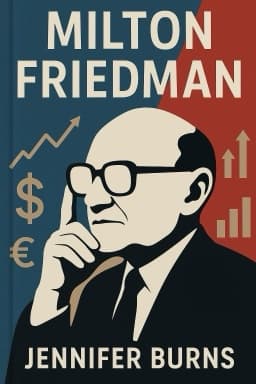
The Monetarist Revolution: How Milton Friedman’s Ideas Overturned Economic Dogma
Unpacking the monetarist theory that challenged Keynesian dominance and reshaped central banking worldwide.

In the mid-20th century, economics was dominated by Keynesian thought, emphasizing government intervention to manage demand. However, the unexpected rise of stagflation in the 1970s — simultaneous inflation and unemployment — defied these principles and demanded new explanations. Enter Milton Friedman and his monetarist revolution.
Monetarism posited that inflation was fundamentally a monetary phenomenon, driven by excessive growth in the money supply. This insight challenged prevailing wisdom and reshaped policy debates. The Chicago Plan, a bold proposal for federal control of banks and 100% reserve requirements, emerged from this school of thought, aiming to prevent the banking crises that had exacerbated the Great Depression.
The 1970s crisis brought monetarism to the forefront. As inflation soared, the Federal Reserve, under Paul Volcker, embarked on a course of aggressive interest rate hikes designed to rein in money supply growth. Though painful in the short term, these measures successfully broke inflation’s grip and restored economic stability, validating Friedman’s theories.
Monetarism’s influence spread globally, with central banks adopting inflation targeting and monetary restraint policies. Yet, the approach faced challenges adapting to new financial instruments, globalization, and crises such as the 2008 financial meltdown. The debate over monetarism’s role continues, underscoring the dynamic nature of economic science.
This blog explores the intellectual roots, practical applications, and ongoing legacy of monetarism, revealing how Friedman’s ideas continue to shape economic policy in an uncertain world.
Sources: CFA Institute Blog, The New York Times, Cato Institute 1 2 3
Want to explore more insights from this book?
Read the full book summary