
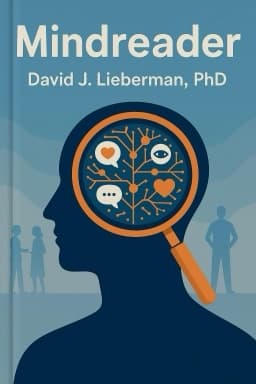
Are You Speaking Your Mind? The Surprising Truth About Pronouns and What They Say About You
How your choice of 'I', 'we', and 'they' reveals your confidence, relationships, and even your honesty.

Have you noticed how often you say 'I' or 'we'? These tiny words carry enormous weight in shaping how others perceive you and how you perceive yourself. Pronouns are more than just grammar—they are psychological signals of confidence, emotional connection, and truthfulness.
Dominant personalities tend to use fewer first-person pronouns, focusing language outward to assert control and influence. In contrast, people feeling insecure or anxious use 'I' more frequently, reflecting inward focus and vulnerability.
In relationships, the use of 'we' and 'our' predicts satisfaction and resilience. Couples who adopt cooperative pronouns share a sense of partnership and face challenges together. On the other hand, frequent use of 'they' or 'you' can signal distance or conflict.
Active voice shows ownership and responsibility. Saying 'I made a mistake' is a sign of accountability, while 'Mistakes were made' distances the speaker, sometimes to avoid blame.
Understanding these patterns can improve your self-awareness and communication skills. By consciously choosing your pronouns and voice, you can project confidence, build stronger connections, and foster trust.
Next time you speak, pay attention to your pronouns. Are you owning your thoughts and feelings, or distancing yourself? Are you inviting others in with 'we,' or creating walls with 'they'? These small choices have big impacts.
Master the art of pronouns and unlock deeper understanding of yourself and others.
References: Psychology Today, Sobrief, Durmonski reading lists 1 2 4
Want to explore more insights from this book?
Read the full book summary