
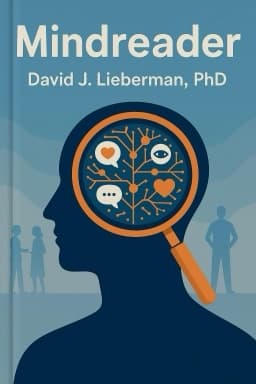
Unlocking the Secret Language of the Mind: How Everyday Words Reveal Your True Self
Discover the hidden power of pronouns and subtle speech patterns that reveal what people really think and feel.

Have you ever wondered what your choice of words reveals about your inner world? Beyond the surface of everyday speech lies a rich tapestry of subconscious signals, emotions, and personality traits. Pronouns like 'I', 'we', and 'they' are not just grammatical necessities—they are windows into our commitment, emotional closeness, and even our power status. For example, frequent use of first-person pronouns often indicates confidence and ownership, while avoiding 'I' can signal detachment or insincerity.
Research shows that couples who use 'we' and 'our' tend to have stronger bonds, reflecting shared identity and cooperation. Similarly, employees referring to 'my company' feel more connected and loyal than those who say 'that company.' These linguistic choices mirror our emotional investments and relationship dynamics.
Moreover, the difference between active and passive voice reveals responsibility and power. Saying 'I made the decision' conveys ownership, while 'The decision was made' distances the speaker, sometimes unconsciously indicating discomfort or evasion.
But language is more than pronouns. Function words—small words like prepositions and articles—build emotional bridges between speakers, fostering rapport and shared understanding. Heavy use of concrete content words, on the other hand, can signal emotional distance or confrontation.
Power dynamics also subtly shape our language. Those with less status often soften requests with 'please' or hedging, while higher-status individuals command attention with nonverbal cues like hand gestures or silence. Understanding these cues can help you navigate social hierarchies with confidence.
Emotional states such as anxiety and anger leave distinct marks on both language and behavior. Anxiety narrows focus inward, causing fidgeting and tentative speech filled with qualifiers. Anger often masks fear, shifting attention outward with direct, unqualified language.
Detecting deception becomes easier when you notice emotional expressiveness and behaviors like self-narration, which signal openness and honesty. Conversely, guarded speech and inconsistent cues may indicate deceit.
Finally, language reveals deep aspects of personality and mental health. Dominant personalities speak with outward focus and fewer self-references, while submissive or anxious individuals show inward focus. Our values shape emotional resilience, reflected in how we talk about ourselves and others.
By piecing together these linguistic and behavioral clues, you can build comprehensive psychological profiles that help you understand motivations, mental health, and potential risks in relationships. This knowledge empowers you to foster authentic connections and protect yourself from manipulation.
Unlock the secret language of the mind and transform your understanding of human behavior today.
References: Psychology Today, Sobrief, Reddit, Durmonski reading lists 1 2 3 4
Want to explore more insights from this book?
Read the full book summary