
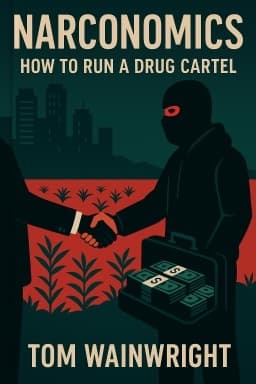
From Violence to Strategy: How Understanding Cartel Economics Can Save Lives
Transforming Conflict into Cooperation Through Economic Incentives

Violence is often seen as an inevitable feature of the drug trade, but 'Narconomics' reveals that it is largely driven by economic incentives and market structures.
However, in some regions, rival gangs have chosen a different path: cooperation. By dividing territories and agreeing not to kill each other, these groups have dramatically reduced violence and increased profits. This collusion resembles legitimate market behavior, where firms partition markets to avoid costly competition.
Understanding these dynamics opens the door to innovative policies that encourage peace through economic incentives. Governments can facilitate truces, improve policing coordination, and create economic opportunities that reduce the appeal of violence.
This approach reframes the drug war from a zero-sum battle to a strategic game where cooperation can save lives and stabilize communities. It challenges policymakers to think beyond enforcement and consider the underlying economic forces at play.
By applying economic reasoning to cartel behavior, societies can design interventions that reduce harm and promote long-term peace.
Sources: Small Wars Journal, Amazon reviews, Blinkist summary, Sobrief.com 2 1 3 4
Want to explore more insights from this book?
Read the full book summary