
Can We Predict the Next Crisis? The Promise and Limits of Narrative Forecasting
How Tracking Stories Could Revolutionize Economic Prediction

How Tracking Stories Could Revolutionize Economic Prediction
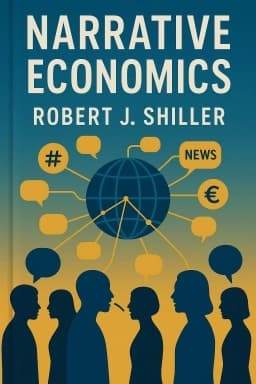
For as long as there have been markets, people have searched for ways to predict the next boom or bust. Traditional forecasting relies on numbers—GDP, unemployment, inflation—but in 'Narrative Economics,' Robert Shiller proposes a radical new tool: tracking the stories that people tell. Thanks to advances in technology, economists can now scan millions of news articles, social media posts, and search queries to detect rising narratives that may signal major economic shifts.
Imagine a digital dashboard where economists watch the spread of stories about housing bubbles, technological breakthroughs, or impending recessions. When a particular narrative starts to surge—whether it’s optimism about green energy or fear of a financial collapse—it can serve as an early warning signal, sometimes months before official data changes. This approach, known as narrative forecasting, is already being used by hedge funds, central banks, and policy analysts around the world.
But narrative forecasting is not without its challenges. The digital world is noisy, filled with rumors, misinformation, and fleeting trends. Distinguishing between a narrative that will change the world and one that will fade tomorrow requires judgment, experience, and sometimes a bit of luck. There is also the risk of self-fulfilling prophecies: if everyone acts on the same narrative signal, it can create the very boom or bust it was meant to predict.
Ethical questions abound. Should policymakers try to shape or suppress certain narratives for the public good? How do we guard against narrative manipulation by those with power or resources? As narrative forecasting becomes more sophisticated, these questions will only grow in importance.
Still, the promise is real. By listening to the stories people are telling—before they show up in the numbers—we can build more resilient, responsive systems that anticipate change rather than simply react to it. The future of economics may be written not in spreadsheets, but in the stories that capture our collective imagination.
Want to explore more insights from this book?
Read the full book summary