
Leaders, Lies, and Legends: Why Policymakers Must Master Storytelling
How the Right Story Can Make or Break a Nation’s Future

How the Right Story Can Make or Break a Nation’s Future
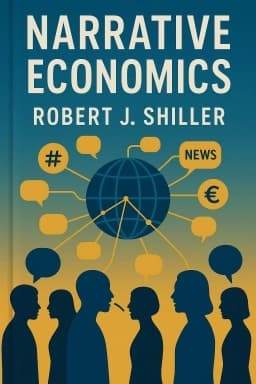
Behind every successful policy is a story that captures the hopes, fears, and aspirations of a nation. In 'Narrative Economics,' Robert Shiller argues that leaders must do more than design clever reforms—they must also become master storytellers. The fate of laws, regulations, and even entire governments often hinges on the narrative that surrounds them.
Consider the challenge of introducing a new tax, reforming healthcare, or launching a stimulus program. If the story is one of fairness, shared sacrifice, and future prosperity, the public is more likely to support it. But if the narrative is hijacked by misinformation, suspicion, or tales of government overreach, even the best-designed plan can fail. Leaders must learn to frame their policies in ways that resonate emotionally and culturally, using metaphors, symbols, and real-life examples that people understand and remember.
But the storytelling challenge doesn’t end with the initial rollout. Counter-narratives—whether rooted in genuine concern or deliberate misinformation—can quickly gain traction, eroding trust and blocking reform. Shiller’s research shows that the most effective leaders are those who listen to the stories circulating among the public and respond with clarity, empathy, and transparency.
The stakes are high. In an age of social media and 24/7 news, false or negative stories can go viral in hours, undermining years of careful policy work. To build resilient societies, leaders and citizens alike must become more discerning consumers and creators of stories—questioning the source, testing the evidence, and seeking out narratives that unite rather than divide.
The lesson is clear: in the battle for the future, the best story often wins. Let’s make sure it’s a true and hopeful one.
Want to explore more insights from this book?
Read the full book summary