
The Echo Chamber: Why Old Economic Stories Never Die
Recurring Narratives That Shape Generations

Recurring Narratives That Shape Generations
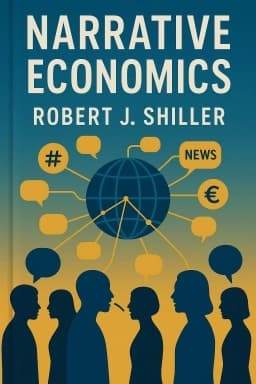
History, it is said, never repeats—but it often rhymes. Nowhere is this more true than in the world of economics, where the same stories echo through time, shaping the beliefs and actions of each new generation. In 'Narrative Economics,' Robert Shiller explores why certain economic narratives—like the allure of gold, the fear of job-stealing machines, or the dream of endless growth—keep returning, even when the facts have changed.
Take the gold standard, for example. This story of stability and trust in hard money has resurfaced at moments of uncertainty for over a century. Each time, the details shift, but the core narrative remains: a longing for security and simplicity in a complex world. Or consider the recurring anxiety about automation. From the Luddites of the 1800s to today’s debates over artificial intelligence, the fear that technology will destroy jobs and livelihoods returns with every new wave of innovation.
These stories persist because they tap into deep-seated emotions and cultural memories. They are revived by new crises, charismatic leaders, or anniversaries that bring old fears and hopes back into the spotlight. Sometimes, a story that lay dormant for decades will suddenly become relevant again, reshaped by contemporary events or media amplification.
But there are risks in living within an echo chamber of outdated narratives. Old stories can blind us to new realities, reinforce harmful biases, or block necessary reforms. As Shiller warns, we must learn to recognize when a narrative has outlived its usefulness—and be willing to craft new stories that better fit the challenges and opportunities of our time.
By listening to the echoes of economic history, we gain not only perspective but also the power to shape the stories that will guide us forward. The future belongs to those who can learn from the past without being trapped by it.
Want to explore more insights from this book?
Read the full book summary