
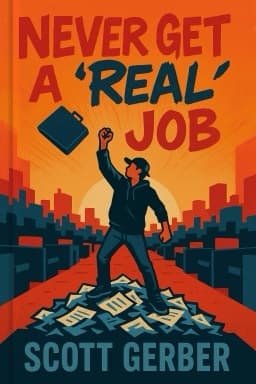
The Startup Survival Guide: Why Failure Is Your Best Teacher
How Embracing Setbacks and Planning for the Worst Leads to Your Best

Facing the Facts: Most Startups Fail
Statistics don’t lie: over half of all startups will close their doors within five years. But instead of fearing this reality, the smartest entrepreneurs plan for it. They know that setbacks are not signs of incompetence, but invitations to learn and adapt.
Planning for the Worst
Successful founders don’t just hope for the best—they prepare for the worst. This means creating contingency plans, keeping expenses low, and always having a Plan B (and C). By expecting things to go wrong, you’re never caught off guard. In fact, entrepreneurs who plan for failure are more likely to survive and ultimately thrive.
Learning from Setbacks
Every failure is a lesson in disguise. The most resilient founders dissect their mistakes, adjust their strategies, and come back stronger. Investors and banks rarely fund unproven ideas, so self-reliance and early traction are critical. The ability to pivot—change direction quickly when something isn’t working—is a hallmark of successful startups.
Bootstrap Mentality
Relying on outside funding is risky. Most investors want to see results, not just ideas. Bootstrapping—using your own resources and revenues to grow—forces you to be resourceful, creative, and focused on what matters most: execution.
Conclusion
Failure isn’t fatal. It’s feedback. The more you learn from your missteps, the better your chances of long-term success. Embrace failure as your best teacher, and you’ll be ready for whatever comes next.
Want to explore more insights from this book?
Read the full book summary