
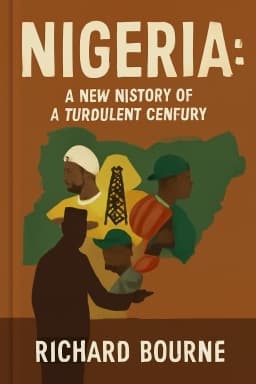
Blood and Brotherhood: The Military Coups and Biafran War That Shaped Modern Nigeria
A gripping account of Nigeria’s darkest hours and the struggle for survival and reconciliation

The promise of independence was brutally interrupted in January 1966 by Nigeria’s first military coup. This event, marked by the assassination of key political leaders, fractured the fragile coalition government and ignited ethnic tensions.
Amid escalating violence, the eastern region declared itself the Republic of Biafra in 1967, triggering a devastating civil war. The conflict lasted three years and caused between one and three million deaths, many from starvation and disease due to blockades.
To counter the secession, the federal government created twelve states from the original regions, a move designed to weaken ethnic power bases and centralize control. Military leaders emerged as dominant political actors during and after the war, shaping Nigeria’s governance for decades.
The war’s legacy is complex: it exposed the dangers of ethnic division but also demonstrated the resilience of the Nigerian people. Efforts at reconciliation emphasized
Want to explore more insights from this book?
Read the full book summary