
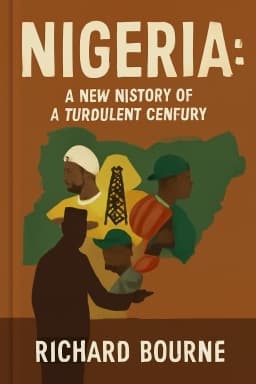
Nigeria’s Hidden Story: How Colonial Amalgamation Shaped a Nation’s Destiny
Unveiling the origins of Nigeria’s complex identity and the colonial decisions that still echo today

In the early 20th century, a vast and diverse land along the Niger River was stitched together by imperial decree, creating the entity we now call Nigeria. This act of amalgamation in 1914 was less a unifying gesture and more a calculated economic strategy by British colonial administrators.
The policy of indirect rule, championed by a military man turned colonial governor, sought to govern through existing traditional rulers such as emirs in the north and chiefs in the south. While this preserved local structures, it also created a dual system of governance that favored the north’s feudal hierarchy and marginalized the emerging educated elite in the south.
Imagine the scene: colonial officers standing over maps, negotiating with emirs clad in flowing robes, while the bustling markets of Lagos thrived with traders from myriad cultures. The name 'Nigeria' itself was coined by a British journalist, reflecting the colonial gaze that defined the territory by its river rather than its peoples. This act of naming symbolized the external imposition of identity.
Railways and administrative centers were developed primarily to serve colonial interests, connecting resource-rich areas to ports for export rather than fostering internal cohesion.
Understanding this colonial past is essential to grasp the roots of Nigeria’s contemporary challenges. The amalgamation was not just a historical event but a living influence on ethnic relations, governance, and national identity. As we continue to explore Nigeria’s journey, this foundational chapter offers critical insight into why unity remains a work in progress.
Next, we will see how global conflicts and the rise of nationalism began to awaken a collective Nigerian consciousness that challenged colonial rule.
Want to explore more insights from this book?
Read the full book summary