
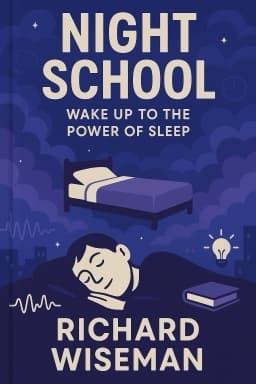
The Dark Side of Sleep: Nightmares, Night Terrors, and What To Do About Them
Understanding—and Overcoming—the Strangest Experiences of the Night

For many, the night is a time of peace and restoration. But for others, it’s a battleground of strange and frightening experiences—nightmares, night terrors, and sleep paralysis. What causes these phenomena, and how can you cope?
Nightmares are vivid, disturbing dreams that wake you from REM sleep, often leaving you anxious and unable to fall back asleep. Night terrors, by contrast, occur in deep sleep and are mostly experienced by children. They involve intense fear, screaming, and even sleepwalking, but the person rarely remembers the episode. 3 4
Sleep paralysis is perhaps the most unsettling: you wake up unable to move, often with the sensation of a presence in the room. Cultures around the world have explained this with stories of ghosts or demons, but science shows it’s simply your brain waking before your body has caught up.
If you or your child experiences these phenomena, don’t panic. Simple steps—like maintaining a regular sleep schedule, reducing stress, and creating a safe sleep environment—can help. For recurring nightmares, try writing them down and discussing them with a therapist. For night terrors, keep children safe and comfort them without waking them fully.
Understanding the dark side of sleep helps you reclaim your nights and find peace once more. 3 4
Want to explore more insights from this book?
Read the full book summary