
The Dark Side of Language: Understanding Slurs, Power, and Reclamation
A deep dive into the history, power dynamics, and social implications of slurs and their reclamation.

Language can wound as deeply as any weapon. Slurs—words loaded with histories of oppression—carry the heaviest social taboos in modern society.
Similarly, slurs targeting sexual orientation such as 'faggot' and 'dyke' have been reclaimed by LGBTQ+ communities as badges of pride and resistance. This reclamation is a powerful act of linguistic alchemy, transforming words of hate into symbols of identity and empowerment.
Gendered insults like 'bitch' and 'cunt' reveal deep-rooted sexism, yet in some contexts, they have been appropriated to express strength or camaraderie. These dynamics highlight the fluidity and contested nature of language.
Reclamation, however, remains controversial. Who can use these words and in what contexts sparks ongoing debate, reflecting broader societal struggles over power, identity, and respect.
Understanding slurs and their reclamation requires recognizing language’s role in shaping social realities. Words are not just sounds but tools that can oppress or liberate.
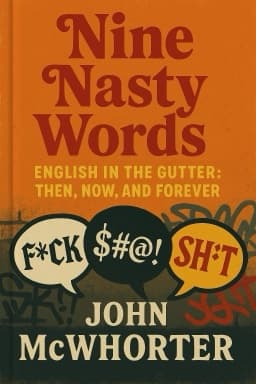
For deeper insights, see What the F and sociolinguistic research on hate speech 1 , 3 .
Want to explore more insights from this book?
Read the full book summary