
7 Surprising Parenting Mistakes You’re Probably Making (And How No-Drama Discipline Can Fix Them!)
Common Discipline Errors and the Science-Backed Solutions Every Parent Should Know

Common Discipline Errors and the Science-Backed Solutions Every Parent Should Know
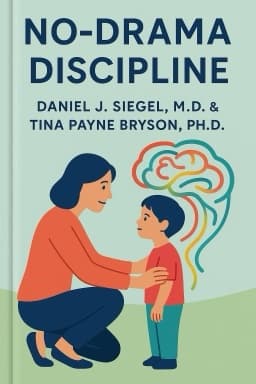
Every parent has faced moments of frustration—tantrums in the supermarket, defiance at bedtime, sibling squabbles that never seem to end. In these moments, it’s easy to fall back on old habits: yelling, threatening, or simply giving in. But what if these common responses are actually making things worse? No-Drama Discipline uncovers seven frequent discipline mistakes and provides science-backed solutions to turn chaos into connection.
- Reacting in Anger
When we react from our own 'downstairs brain,' we escalate the drama. Neuroscience shows that anger triggers a child’s fight-or-flight response, making it impossible for them to learn. Instead, take a breath, connect, and then guide. - Using Punishment as Teaching
Punishment may stop behavior in the short term, but it does not build self-control or empathy. Teaching moments arise when we help children understand their feelings and offer alternatives. - Ignoring Emotions
Dismissing or minimizing a child’s feelings can lead to more intense outbursts. Validating emotions—'I see you’re upset'—calms the brain and sets the stage for learning. - Inconsistent Boundaries
Children thrive on consistency. Setting clear, loving boundaries helps them feel safe and understand expectations. - Missing the Repair
After conflict, many parents move on without repairing. Apologizing and making amends rebuilds trust and models humility. - Not Involving the Child
Discipline is most effective when children help find solutions. Involving them in problem-solving builds responsibility and cooperation. - Forgetting Self-Compassion
Parents are human and will make mistakes. Practicing self-compassion allows you to bounce back and model resilience for your child.
How No-Drama Discipline Solves These Mistakes
The book’s REDIRECT approach and 1-2-3 Framework offer simple, memorable steps to address each mistake. By connecting before correcting, embracing emotions, and focusing on teaching rather than punishing, parents can transform discipline into a positive, growth-filled experience. Real-life examples show that when parents shift from control to connection, children respond with empathy, cooperation, and lasting change. 1 3
Conclusion
Discipline doesn’t have to mean drama. By recognizing and correcting these common mistakes, every parent can create a home where learning, love, and resilience flourish.
Want to explore more insights from this book?
Read the full book summary