
Why Connection Is the Real Discipline: The Neuroscience of Empathy in Parenting
How Empathy Calms the Brain and Changes Behavior for Good

How Empathy Calms the Brain and Changes Behavior for Good
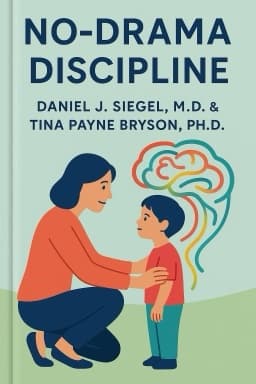
Imagine a world where discipline isn’t about power, but about partnership. No-Drama Discipline shows that the key to lasting change lies in connection. When a child feels seen and safe, their brain releases calming chemicals, making them ready to learn and cooperate. This is not just philosophy—it’s neuroscience.
During moments of misbehavior, a child’s brain is in survival mode. Yelling or punishing only adds fuel to the fire, keeping the brain in a reactive state. But when a parent connects—through a gentle touch, a soft tone, or simply listening—the child’s nervous system calms. The brain shifts from reactivity to receptivity, opening the door to insight and change. 4
Empathy: The Bridge to Learning
Empathy is not permissiveness. It’s the bridge that allows children to cross from chaos to calm. By validating feelings—'I know you’re upset'—parents help children feel understood, which lowers defenses and invites cooperation. Over time, these moments build the neural pathways for emotional intelligence and self-regulation.
Research shows that children who experience empathy at home develop stronger relationships, better mental health, and greater resilience. They learn to offer empathy to others, creating a ripple effect that extends beyond the family.
Conclusion
Connection is the most powerful tool in your parenting toolkit. By leading with empathy, you don’t just stop misbehavior—you build the foundation for lifelong learning, trust, and love. 2 4
Want to explore more insights from this book?
Read the full book summary