
Discipline Without Drama: The Surprising Way to Teach Kids Accountability
Transform discipline into a loving tool that restores relationships and builds character.

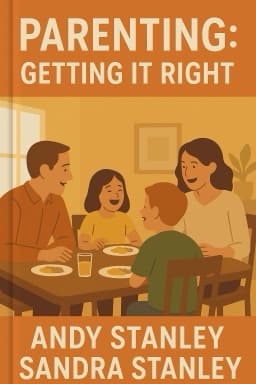
Most parents have experienced the frustration of disciplining a child, only to feel that punishment creates more problems than it solves. Andy and Sandra Stanley offer a refreshing perspective in their book, shifting the focus from punishment to discipline as a means of restoring relationships.
Punishment often leaves children feeling bitter or cautious, focused on avoiding consequences rather than understanding the impact of their actions. In contrast, discipline aims to teach children how to make things right and grow emotionally. Central to this approach are confession and restitution—children learn to acknowledge wrongdoing and actively repair any harm caused.
For example, when children disrespect a caregiver, guiding them to write a sincere apology and deliver flowers helps them grasp the importance of accountability and empathy. This method builds critical life skills that prepare children for healthy adult relationships.
Parents must also manage their own emotions, avoiding reactive punishments fueled by anger or embarrassment. Adopting a calm, steady posture—even when children test limits—preserves safety and respect.
Research in child psychology supports restorative discipline as more effective for long-term behavior change and emotional development. It fosters trust, communication, and mutual respect between parents and children.
By transforming discipline into a relational tool, parents create a home environment where mistakes become opportunities for learning and connection rather than conflict.
For more insights and practical advice, Andy and Sandra Stanley’s book provides a compassionate and faith-based roadmap for parents seeking to discipline with love.
Sources: Parenting: Getting It Right by Andy & Sandra Stanley 1 , 2 , 4
Want to explore more insights from this book?
Read the full book summary