
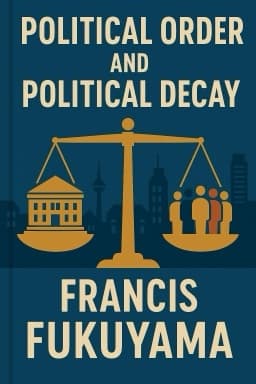
Inside the Political Machine: How Patronage and Clientelism Still Rule the World
Unmasking the enduring networks of power that shape politics beyond the ballot box.

The Roots of Patronage Politics
Political machines have long been a feature of governance, particularly in rapidly urbanizing societies. In 19th century American cities, political bosses distributed jobs, services, and favors to immigrant communities in exchange for votes.
The Social Functions of Clientelism
Clientelism acts as a social glue in contexts where formal institutions are weak or exclusionary. It provides access to goods and political representation for those often left out of mainstream politics.
The Varied Faces of Clientelism
Clientelism is not monolithic. It ranges from outright vote buying to more subtle, long-term reciprocal relationships between patrons and clients. Understanding these variations is essential for crafting effective reforms.
Challenges to Reform
Efforts to dismantle patronage systems face significant obstacles. Beneficiaries of clientelism, including elites and political brokers, often resist reforms that threaten their interests. Emotional attachments to familiar institutions and fear of uncertainty add to this resistance.
Strategies for Change
Successful reform requires a nuanced approach that balances the social functions of clientelism with the need for transparency and meritocracy. Strengthening state capacity, enhancing rule of law, and fostering civic engagement are critical components.
Want to explore more insights from this book?
Read the full book summary