
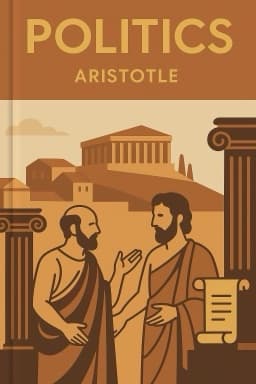
Why Aristotle’s View on Citizenship Still Matters Today
Delve into Aristotle’s profound definition of citizenship and its implications for modern democratic participation.

In an era where political apathy and disengagement challenge democracies worldwide, Aristotle’s definition of citizenship offers a compelling call to action. Citizenship is not a passive status but an active role involving participation in the ruling and being ruled.
Aristotle emphasizes political justice as the distribution of power to those most capable, minimizing wasted political ability. This meritocratic ideal encourages a society where governance is entrusted to the virtuous and competent, rather than inherited or bought. Education is central to this process, with the legislator acting as the teacher of virtue through laws and customs. Public opinion, reinforced by shared moral standards, shapes citizens’ character and ensures political stability.
This vision challenges modern assumptions about citizenship as universal suffrage or mere residency. Instead, it underscores the need for civic education and active engagement. The virtues cultivated — courage, justice, temperance — are essential for sustaining the polis and avoiding factionalism.
By reflecting on Aristotle’s insights, we can better appreciate the complexities of political participation and the ethical foundations necessary for a thriving community. It invites us to consider how contemporary societies might foster more meaningful citizenship, balancing inclusion with responsibility.
Understanding Aristotle’s conception of citizenship enriches our appreciation of political life and inspires renewed commitment to the common good in our own time.
References: Analysis from SparkNotes, Internet Encyclopedia of Philosophy, and academic lecture notes on Aristotle’s Politics illuminate these themes in depth. 1 2 4
Want to explore more insights from this book?
Read the full book summary