
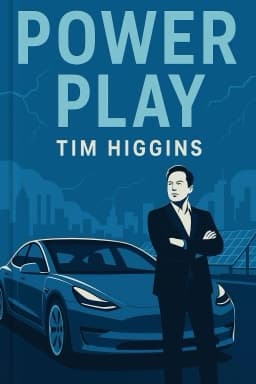
Tesla vs. The World: How a Startup Forced Auto Giants to Rethink Everything
The Day Detroit Blinked: How Tesla’s Rise Triggered a Global Race for Electric Cars

The Day Detroit Blinked: How Tesla’s Rise Triggered a Global Race for Electric Cars
For decades, the auto industry was a fortress—dominated by giants like GM, Ford, and Toyota, resistant to change and slow to innovate. Then came Tesla. With its sleek designs, jaw-dropping performance, and relentless innovation, Tesla didn’t just enter the market—it rewrote the rules. The company’s direct-to-consumer sales model, over-the-air software updates, and bold marketing captured the imagination of consumers and investors alike.
Tesla’s success forced legacy automakers to accelerate their own electric vehicle programs, investing billions in battery technology, manufacturing, and new business models. Suddenly, electric cars were no longer a sideshow—they were the future, and every major brand wanted a piece of the action. The industry saw a wave of new partnerships, tech collaborations, and even legal battles as everyone raced to catch up.
Wall Street took notice, too. Tesla’s stock soared, at times eclipsing the combined value of its competitors, despite selling far fewer cars. Investors bet on the promise of disruption, not just current profits. Meanwhile, Tesla’s approach to customer service—selling cars online, bypassing dealerships, and delivering over-the-air updates—challenged century-old traditions and set new expectations for what a car company could be.
The ripple effects didn’t stop with automakers. Suppliers, governments, and even oil companies began to rethink their roles in a changing world. Tesla’s rise became a catalyst for a broader movement, inspiring startups, policy changes, and a renewed focus on sustainability and clean energy. The story of Tesla vs. the world is still unfolding, but one thing is clear: the future of mobility will never be the same.
Want to explore more insights from this book?
Read the full book summary