
Reading in the Age of Screens: Can We Save Deep Thought?
Why scrolling and multitasking threaten our ability to read deeply — and what we can do to preserve the magic of reading.

In a world flooded with digital devices, notifications, and endless streams of information, the way we read is changing — and not always for the better. This blog explores the challenges digital reading poses to our brains and the precious skill of deep, reflective reading.
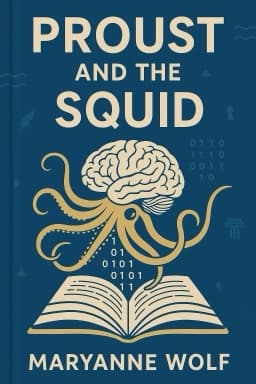
Our brains evolved to read in a focused, linear manner, engaging deeply with text to infer meaning, analyze ideas, and create new thoughts. But digital environments encourage continuous partial attention — a state of divided focus where multitasking is the norm. This fragmented attention reduces our capacity for comprehension and critical thinking.
Hyperlinks and multimedia add richness but also complexity. Readers must develop new skills to navigate these nonlinear texts, balancing breadth of information with depth of understanding. Without conscious effort, the generative aspect of reading — making connections beyond the words — may diminish.
Despite these challenges, digital reading also offers opportunities: interactive content, diverse perspectives, and instant access to knowledge. The key is cultivating mindful reading habits that preserve intellectual depth while embracing technology’s benefits.
By understanding the neuroscience and cultural shifts behind digital reading, we can make informed choices to safeguard the magic of reading — a skill that shapes our thinking, empathy, and creativity.
For further insights, see expert discussions on the reading brain in the digital era and practical approaches to balanced literacy.[[0]](#__0) [[1]](#__1) [[2]](#__2)
Want to explore more insights from this book?
Read the full book summary