
Democracy Under Pressure: How Public Opinion Shapes and Struggles in Modern Societies
Explore the tensions between democratic ideals and the realities of knowledge, power, and media in large societies.

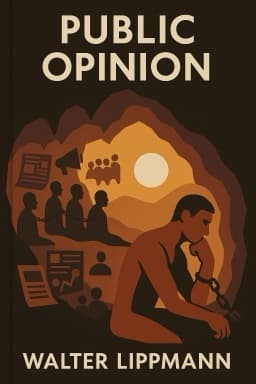
Democracy is often idealized as a system where every citizen participates fully and wisely in self-governance. Yet, as Walter Lippmann’s classic work reveals, this vision faces profound challenges in the modern world.
The traditional democratic assumption that citizens possess innate political wisdom and share common knowledge is strained by the realities of scale and complexity. No one person can grasp the full scope of governance issues, from economic policy to international relations. This creates a gap between the governed and those who govern.
Institutions such as legislatures, courts, and expert agencies serve as intermediaries, processing information and making decisions. While vital, this delegation raises questions about transparency, accountability, and the potential for elite manipulation.
Media plays a crucial role in bridging this gap, but as explored previously, it is influenced by economic pressures and audience preferences, which can limit its effectiveness as a democratic tool.
These dynamics contribute to political polarization, disengagement, and mistrust. They challenge citizens to become more critically engaged and demand reforms in education, media, and institutional structures.
By understanding these tensions, we can better appreciate the complexities of democracy today and the need for collective efforts to nurture informed, reflective public opinion.
Ultimately, democracy’s survival depends on balancing knowledge, power, and participation in ways that respect both individual limitations and collective aspirations.
Want to explore more insights from this book?
Read the full book summary