
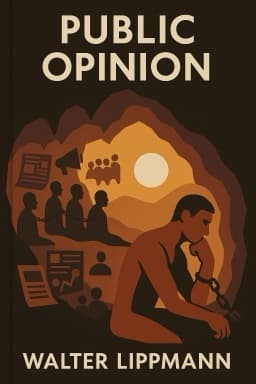
The Language Trap: How Words Shape and Sometimes Distort Our Reality
Delve into the power of language in media and public discourse, and how it influences understanding and miscommunication.

Words are powerful—they carry ideas, emotions, and cultural meanings. Yet, as Walter Lippmann explains, language is also a filter that can distort reality.
Consider how a single word can evoke vastly different feelings across cultures. A term that signals urgency in one language might seem routine in another. This variability complicates international relations and even domestic understanding.
Moreover, the rapid transmission of news demands brevity, forcing reporters to condense complex events into headlines and short summaries. While necessary, this compression risks oversimplification and misinterpretation.
Readers bring their own experiences and biases to the words they encounter, further coloring meaning. This dynamic can create misunderstandings and emotional reactions that diverge from the intended message.
Recognizing the power and pitfalls of language encourages us to communicate with greater clarity and empathy. It also invites a critical approach to consuming news, prompting us to seek context and question simplistic narratives.
In a world increasingly shaped by rapid communication, mastering the nuances of language is essential for informed public discourse and democratic engagement.
Want to explore more insights from this book?
Read the full book summary