
How to Argue Like You Love Each Other: The Art of Conflict Without Chaos
Transforming Fights Into Opportunities for Closeness and Growth

Transforming Fights Into Opportunities for Closeness and Growth
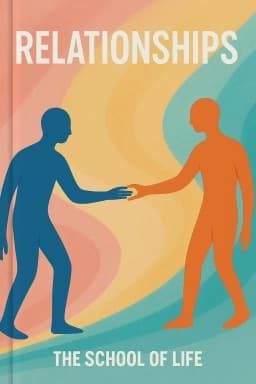
All couples argue. The difference between happy and unhappy couples is not the absence of conflict, but how they handle it. 'Relationships' by The School of Life offers a radically compassionate approach to arguments. It teaches us that most fights are not about the dishes, the bills, or who forgot to call. They are about deeper needs—about feeling seen, heard, and valued.
One of the book’s most transformative ideas is the concept of 'transference.' When we argue, we often react not just to our partner’s words, but to echoes of our childhood. A partner’s criticism can feel like a parent’s disapproval; their silence can trigger old fears of abandonment. Recognizing this can help us respond with empathy, rather than escalation.
The book suggests practical ways to argue with love. First, pause before reacting. Take a deep breath and ask yourself: 'What am I really feeling? What does my partner need right now?' Humor can also be a powerful tool for defusing tension. A gentle joke can remind both partners that they are on the same team.
Another powerful strategy is to see the child within your partner. When they are upset, imagine them as a vulnerable child. Respond with patience and kindness, rather than defensiveness. This shift in perspective can turn a fight into an opportunity for connection and healing.
Blame, too, is reinterpreted. The book argues that we blame those we love because we depend on them. Rather than seeing blame as a sign of contempt, it can be seen as a sign of hope—a belief that our partner can make things better.
By adopting these attitudes and techniques, couples can turn arguments into moments of growth. Conflict becomes a chance to learn about each other, to heal old wounds, and to build deeper trust. In this way, even the toughest fights can become stepping stones to greater intimacy.
References: The School of Life book, communication psychology articles, marriage counseling resources. 1 2 3
Want to explore more insights from this book?
Read the full book summary